A sewer backup can turn a routine day into a plumbing emergency. When wastewater rises into a shower, several fixtures stop draining at once, or a toilet overflows after another fixture is used, the problem may involve more than an ordinary sink clog. A blockage in the main sewer line can interrupt drainage throughout a home or business.
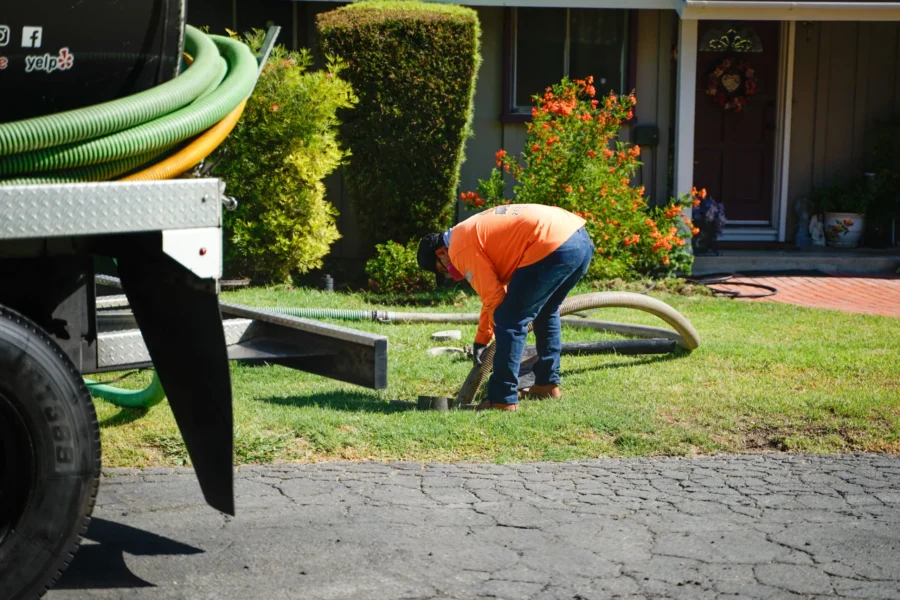
Emergency sewer rooter service focuses on locating and clearing an obstruction when drainage cannot safely wait for routine maintenance. Depending on the condition of the pipe, a plumber may use a cable machine, camera inspection, hydro jetting or a repair method. Cleaning a blockage and repairing a damaged sewer line are not the same service.
At High Speed Rooter & Plumbing, we offer 24/7 emergency service across Los Angeles, Orange, Riverside and San Bernardino counties. This guide explains what to do immediately, how to recognize a likely sewer emergency and what to expect from a professional assessment.
When Is a Sewer Problem an Emergency?
A sewer issue is urgent when wastewater is entering living or working areas, multiple fixtures are backing up, or plumbing use is likely to cause further overflow. Raw sewage can contain microorganisms and contaminants. Avoid contact and prevent others from entering the affected area until it can be evaluated safely.
One slow bathroom sink does not automatically mean the main sewer line is blocked. But when a shower fills after a toilet flush, or a lower floor drain backs up while an upstairs fixture runs, the pattern suggests a shared drain or sewer issue. Stop using plumbing fixtures while arranging an inspection.
A strong sewer odor or recurring gurgling deserves attention, although neither proves a collapsed line. The goal is to distinguish a fixture-specific clog from a system-wide problem before choosing equipment or repairs.
What Should You Do Before the Emergency Plumber Arrives?
First, stop running water. Avoid flushing toilets, using the dishwasher, starting laundry or running sinks. Additional wastewater can worsen a backup. Let other occupants know not to use the plumbing until the issue is assessed.
Second, keep children and pets away from sewage. Do not handle contaminated items without appropriate protection. If wastewater is near electrical outlets, appliances or a flooded electrical area, do not enter the water or touch electrical equipment. Contact the appropriate utility or a qualified professional for electrical safety advice.
Third, document what happened from a safe area. Note which fixture backed up first, whether other drains are affected, when the problem began and whether previous sewer work was performed. This information can help the technician narrow down the likely section of pipe.
Finally, do not repeatedly pour chemical drain cleaners into a suspected main sewer blockage. They may fail to clear the cause and can create hazards for people working on the drain. Tell the plumber if any chemical product has already been used.
Warning Signs That Point to a Main Sewer Line Problem
Multiple fixtures backing up is one of the clearest patterns. A single clogged sink may involve its trap or branch line, but simultaneous trouble in toilets, tubs and floor drains suggests a restriction farther downstream.
Gurgling can occur when air moves through a restricted drain system. Repeated gurgling, particularly when another fixture is used, is worth reporting. Persistent odors, slow drainage throughout the building and recurring clogs can also justify a sewer inspection.
Wastewater emerging from the lowest drain is especially concerning. The exact location depends on the plumbing layout, so do not rely on a single symptom to determine where the obstruction sits. A plumber should confirm the cause before recommending cleaning or replacement.
What Causes Emergency Sewer Blockages?
Tree roots can enter through cracks, separated joints or other vulnerable points in underground sewer lines. Once inside, they may catch debris and restrict flow. Cutting roots may reopen the line, but it does not necessarily repair the opening that allowed the roots to enter.
Grease, food debris, wipes and other inappropriate materials can accumulate in drain and sewer piping. Even products marketed as flushable may contribute to blockages. Routine disposal habits can reduce these risks but cannot correct structural pipe defects.
Older or damaged piping can develop offsets, cracks, sagging sections or collapse. Ground movement, corrosion in susceptible materials and installation issues may also contribute. A camera inspection can help distinguish an obstruction from a pipe condition that requires repair.
Sometimes the problem is in a shared or municipal line rather than the private sewer lateral. Responsibility varies by location and the exact section of pipe, so the technician or local sewer agency may need to clarify where the defect lies.
What Does Emergency Sewer Rooter Service Include?
We begin by asking about the symptoms and checking accessible plumbing locations. The technician considers which fixtures are affected, whether wastewater is backing up and whether a cleanout is available. The initial goal is to restore safe drainage while identifying any evidence of underlying pipe damage.
A mechanical rooter or drain cable can break through or retrieve certain obstructions. The appropriate cable size and access point depend on the pipe. A rooter is not a universal solution for collapsed, severely deteriorated or improperly aligned sewer piping.
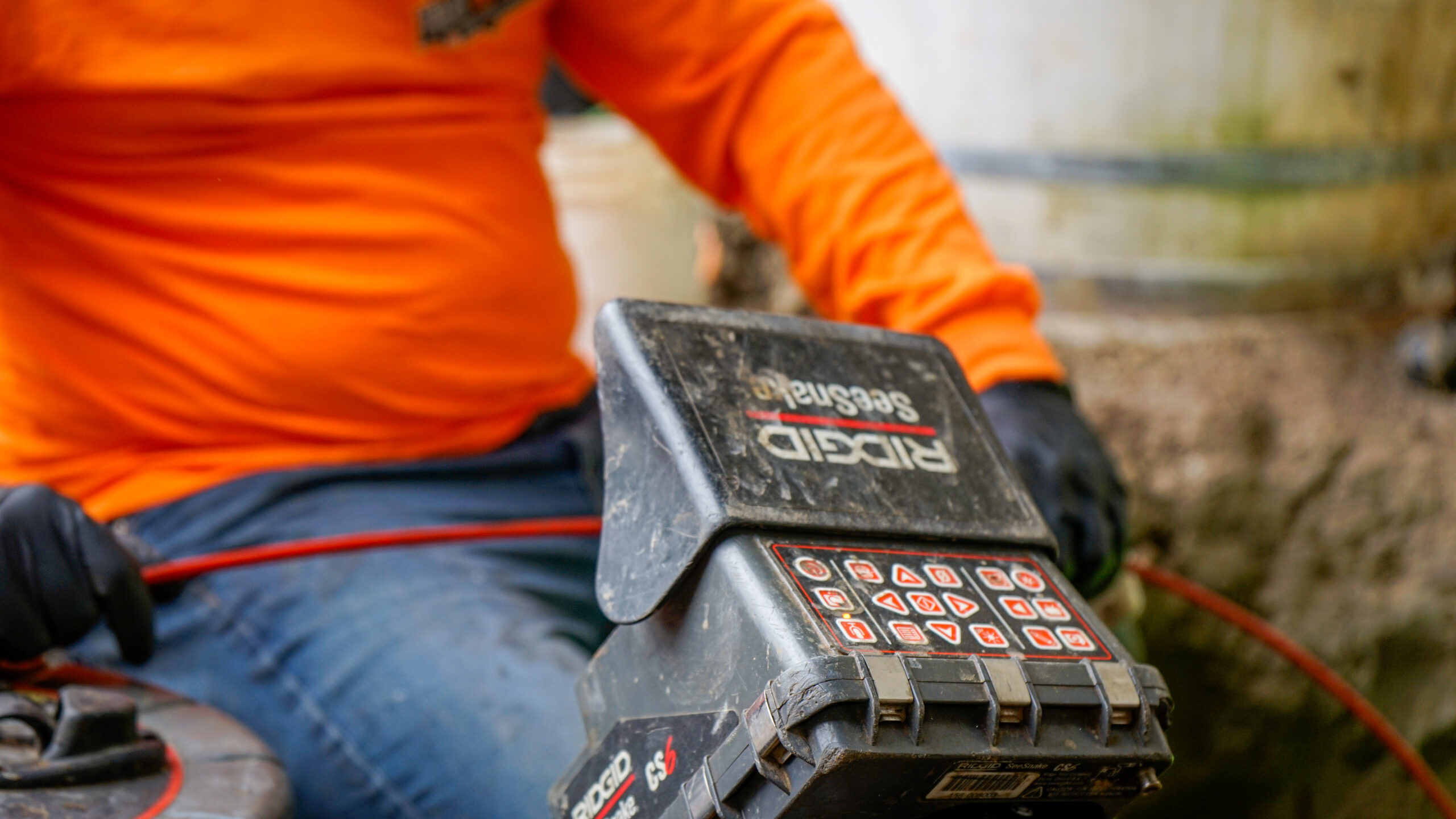
A sewer camera inspection can help locate root intrusion, heavy buildup, separated joints or damaged sections when visibility and pipe conditions permit. Cameras show the interior condition but should be interpreted alongside symptoms and site observations.
Hydro jetting uses pressurized water to clean suitable pipe interiors. It may be useful for grease, sediment and some root-related buildup, but the pipe must be assessed for condition and suitability. Aggressive cleaning is not the right choice for every fragile or collapsed line.
Rooter Cleaning vs. Hydro Jetting vs. Sewer Repair
Rooter cleaning is often selected to open a blockage with mechanical cutting or retrieval. Hydro jetting is designed to flush buildup from suitable pipes using water pressure. Both address restrictions, but neither can restore a section that has structurally failed.
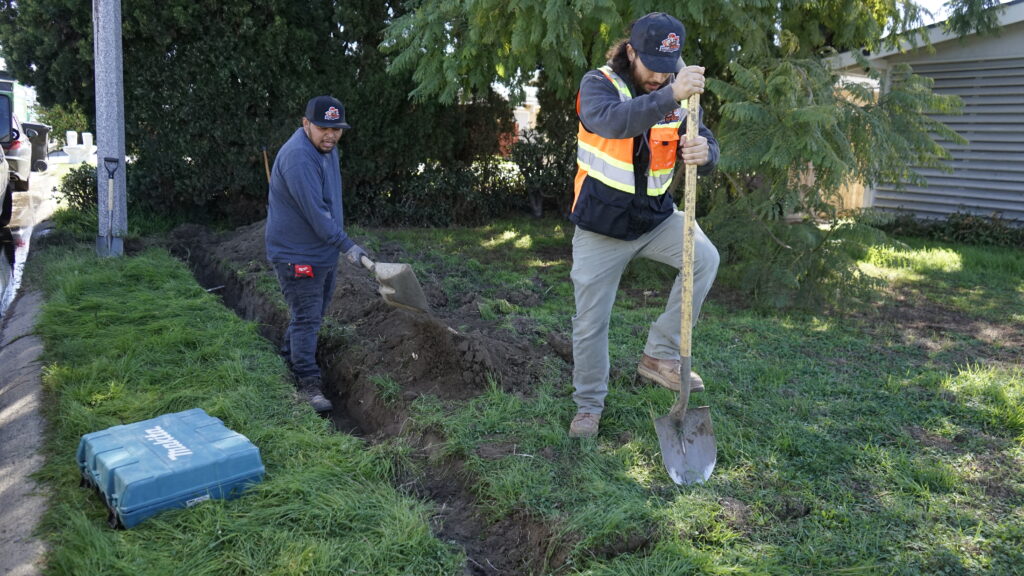
Sewer repair addresses a physical defect such as a break, offset or collapse. Depending on inspection findings, repair may involve a localized excavation, replacement or a trenchless method where site and pipe conditions allow. A contractor should explain why a specific approach is suitable rather than treating every backup as a replacement job.
If roots repeatedly return after cleaning, ask whether the camera shows an opening or joint defect. A temporary reopening can be valuable during an emergency, but the longer-term plan should address the cause of repeated entry.
What Happens During a Sewer Camera Inspection?
A camera is introduced through an appropriate access point and advanced through the pipe when conditions permit. The plumber looks for obstructions, standing water, joint separations, cracks and other visible concerns. Locating equipment may help estimate where a problem lies beneath the property.
Ask to see the relevant findings and have the proposed work explained in plain language. The inspection may not reveal every hidden condition, especially if the pipe is fully blocked or submerged. A careful recommendation should acknowledge these limitations.
For a substantial repair, homeowners can ask whether the issue is localized or widespread, what material is present, whether permits may be needed and what restoration work is included. This makes it easier to understand the difference between an emergency clearing and a permanent fix.
Can a Sewer Backup Be Prevented?
Not every sewer emergency is preventable, particularly when underground piping has an unknown structural defect. However, several habits can reduce avoidable blockages: keep fats and grease out of sinks, avoid flushing wipes and hygiene products, and respond to recurring slow drains before they become a full backup.
If a property has a history of root intrusion or repeated blockages, a professional may recommend periodic evaluation or a targeted repair plan based on pipe condition. Avoid scheduling aggressive cleaning solely by habit without understanding the pipe material and history.
Keep records of prior camera inspections, cleaning dates and repairs. When a new problem occurs, this history can help distinguish a repeat obstruction from a different failure.
What Should You Ask Before Approving Emergency Sewer Work?
Ask what symptoms point to a main sewer problem, what access point will be used, and whether the proposed work is intended to clear the blockage or repair a defect. Clarify what happens if the first method does not restore flow.
Request a written scope that explains the work, price, exclusions and any conditions that may change the estimate. If a camera inspection identifies damage, ask for the location and supporting findings before deciding on larger repairs.
High Speed Rooter & Plumbing advertises 24/7 emergency availability and offers sewer cleaning, camera inspection and sewer repair services. Specific financing terms, promotional prices and response times can change, so confirm the current details when booking.
When Should You Call HS Rooter Plumbing?
Call when sewage is backing up into fixtures, several drains are failing together, wastewater is entering occupied space or repeated rooter visits have not resolved the underlying problem. A prompt assessment can determine whether clearing, inspection or repair is the appropriate next step.
Our service area includes Los Angeles, Orange, Riverside and San Bernardino counties. We can discuss the symptoms, inspect the affected drainage system and recommend next steps based on what the plumbing actually needs.
If there is an active sewage backup, stop using plumbing fixtures and keep people away from contaminated water while you arrange service. Contact us for emergency sewer rooter assistance and a clear explanation of the proposed work.
Key Takeaways
- A backup affecting several fixtures may indicate a shared drain or main sewer obstruction.
- Stop water use immediately when sewage is backing up, and avoid contact with wastewater.
- Mechanical rooter cleaning and hydro jetting can clear suitable blockages, but they do not repair collapsed pipes.
- A sewer camera inspection can help explain recurring problems and guide repair decisions.
- Ask for a clear scope separating emergency clearing from any proposed permanent repair.
Frequently Asked Questions About Emergency Sewer Rooter
What is emergency sewer rooter service?
It is urgent plumbing work to diagnose and clear sewer or drain obstructions that are causing backups or serious drainage failures. Additional repairs may be needed if the pipe is damaged.
Is sewage backing up into my shower an emergency?
Yes. Stop using water and keep people away from wastewater. Arrange prompt professional assessment, especially when other fixtures are also affected.
Can a rooter machine fix a collapsed sewer line?
No. A rooter can clear certain obstructions, but a collapsed pipe requires evaluation and an appropriate repair or replacement.
Does hydro jetting work for tree roots?
It may help clear some root-related buildup in suitable pipes, but it does not seal the crack or joint through which roots entered.
How can I tell whether the problem is the main sewer line?
Multiple fixtures backing up together, low drain overflow and recurring system-wide drainage problems are clues. Inspection is needed to confirm the location.
Should I use drain chemicals before calling?
Avoid repeatedly using chemical drain cleaners for a suspected sewer backup. Tell the plumber if you have already used any chemicals.
Can emergency sewer service be available at night?
HS Rooter Plumbing advertises 24/7 emergency service. Confirm availability and scheduling when you contact the team.
Conclusion
An emergency sewer rooter visit should do more than force water past an unknown obstruction. The best response starts with protecting the property, locating the problem and selecting the least disruptive effective solution that fits the condition of the pipe. When cleaning reveals a structural defect, a separate repair plan may be necessary.
If you are dealing with sewage backups or a suspected main sewer blockage, contact High Speed Rooter & Plumbing. We can assess the symptoms, explain the options and help you take the next step toward restoring drainage.