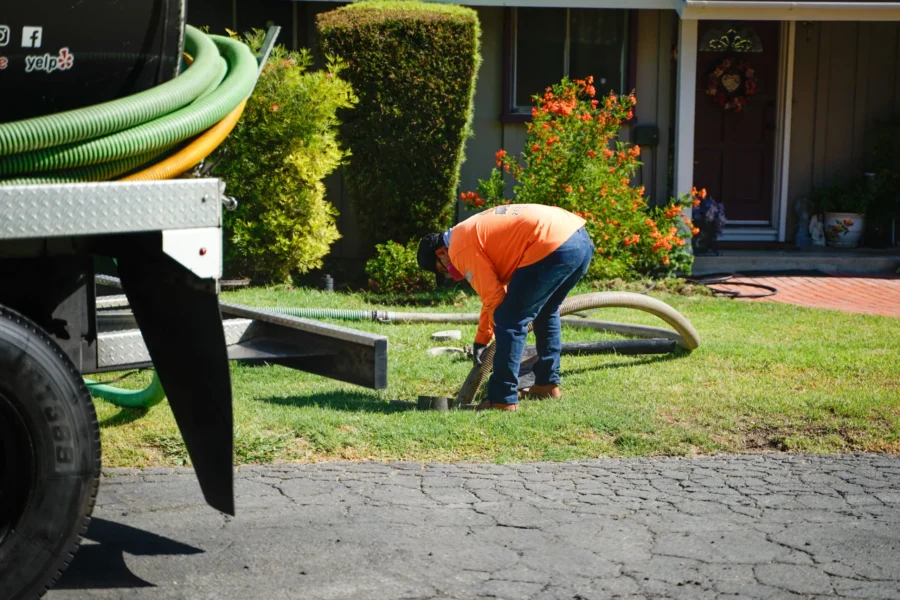
A sewer specialist diagnoses and addresses problems in the underground and interior piping that carries wastewater away from a building. If several fixtures back up together, sewage appears in a lower drain, or a clog returns shortly after cleaning, the problem may be in the main sewer line rather than a single sink or toilet.
The right next step is not automatically excavation or replacement. A sewer specialist can assess the symptoms, locate accessible cleanouts, recommend an appropriate inspection, and explain whether cleaning, targeted repair or more extensive work is justified. At High Speed Rooter & Plumbing, we offer sewer inspection, sewer repair and drain services across our Southern California service areas.
This guide explains what a sewer specialist does, which warning signs matter, how common diagnostic tools work, and what to ask before approving work. If sewage is actively backing up, stop using affected plumbing fixtures and request prompt assistance.
What Does a Sewer Specialist Do?
A sewer specialist is a plumbing professional who focuses on wastewater drainage systems, especially the building sewer line and related components. Work may include locating blockages, inspecting pipes, clearing obstructions, assessing pipe defects, and recommending repairs. The exact work performed depends on the technician’s qualifications, the company’s services and the condition of the property.
A specialist should distinguish a fixture-level drain issue from a mainline problem. A single slow bathroom sink may be caused by buildup in that branch drain. Multiple drains backing up at the same time, especially at the lowest fixtures, can point toward a shared line. Symptoms are clues, not a substitute for inspection.
Our approach is to discuss the observed symptoms and the available diagnostic options before recommending a solution. A clear explanation helps property owners understand why a particular service is being proposed.
What Signs Suggest a Main Sewer Line Problem?
Several fixtures draining slowly or backing up together can indicate a restriction in a shared sewer line. Other warning signs include gurgling when another fixture runs, wastewater rising in a shower when a toilet flushes, sewage odors near a drain, or recurring blockages despite previous cleaning.
A wet or unusually green patch outdoors may warrant investigation, but it is not proof of a sewer leak. Irrigation, drainage, rainfall and other conditions can produce similar signs. Likewise, an odor alone does not establish where a sewer defect is located.
When wastewater is entering living areas, avoid contact and limit water use. Keep children and pets away from contaminated surfaces. A prompt plumbing assessment can help determine whether the line is obstructed and what immediate steps are appropriate.
How Is a Sewer Problem Diagnosed?
A sewer evaluation often starts with questions: Which fixtures are affected? When did the problem begin? Has the line been cleaned before? Are there accessible cleanouts? These details help narrow the likely location without assuming the cause.
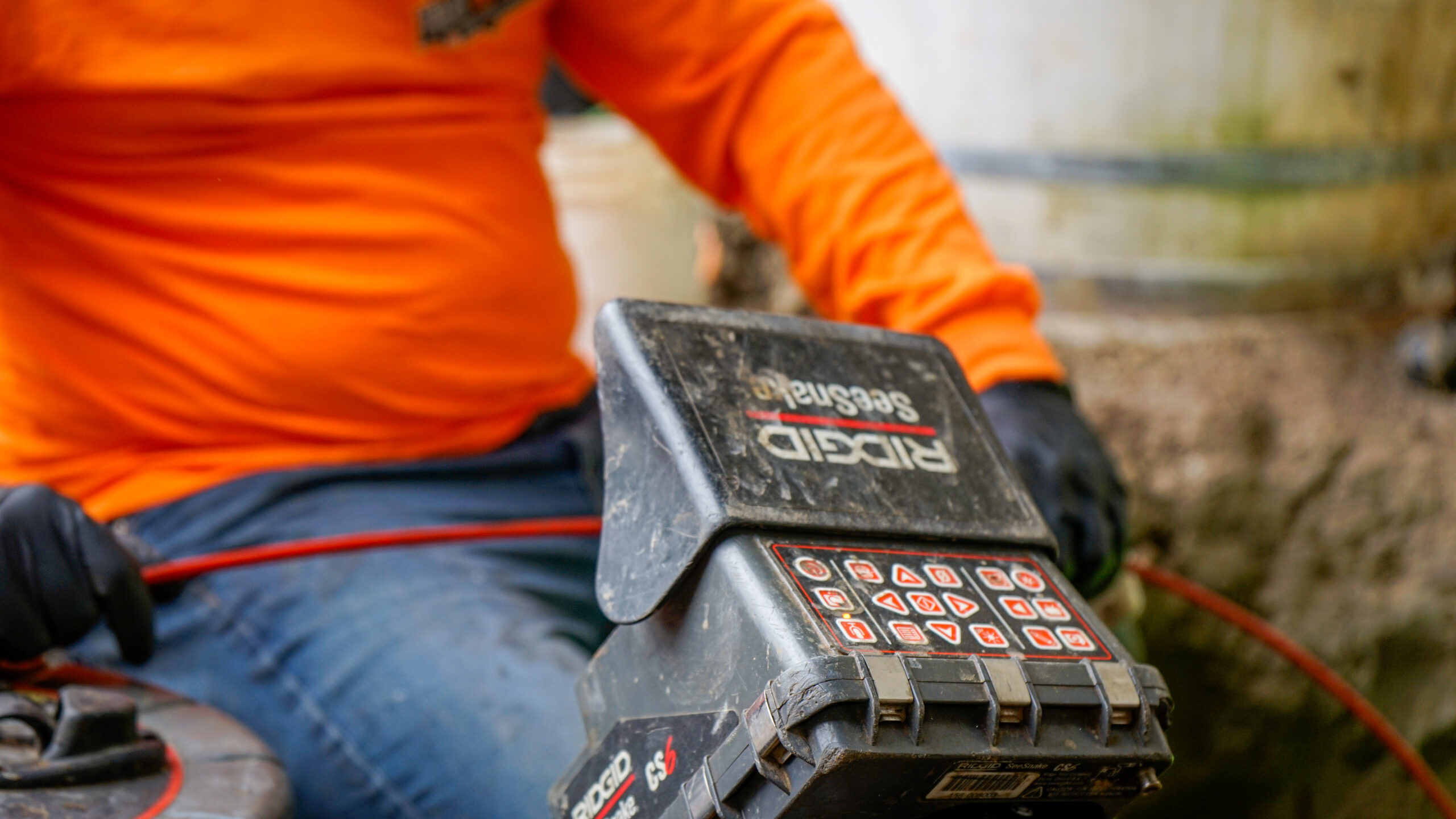
A sewer camera inspection may allow a technician to view portions of the pipe interior and identify visible roots, offsets, cracks, debris or standing water. Camera images have limits. Heavy blockage or water can obscure the view, and a camera does not necessarily reveal every condition outside the pipe.
A technician may recommend cleaning before inspecting a heavily obstructed line. The sequence should be explained, especially if a second camera pass is proposed to assess pipe condition after the obstruction has been cleared.
What Is the Difference Between Sewer Cleaning and Sewer Repair?
Sewer cleaning aims to restore flow by removing or breaking up material obstructing the line. Depending on pipe condition and the obstruction, methods may include mechanical cable equipment or hydro jetting. Cleaning can address grease, debris or some root intrusions, but it does not restore a cracked or collapsed pipe.
Sewer repair addresses a physical defect such as a broken section, severe offset, deteriorated joint or collapse. Repair may involve accessing a specific area, replacing a pipe section or evaluating a trenchless method when site and pipe conditions permit.
This distinction matters because a line can drain better after cleaning while still having structural defects that allow future roots or soil to enter. Conversely, not every slow drain requires expensive pipe replacement. The recommendation should match evidence from the inspection.
When Is Hydro Jetting Appropriate?
Hydro jetting uses pressurized water to clean deposits from the inside of suitable drain and sewer piping. It may be considered for grease accumulation, sludge and certain recurring obstructions. Whether it is appropriate depends on pipe material, age, condition, access and the type of blockage.
High pressure equipment can damage vulnerable piping if used without proper assessment. A responsible technician should consider whether the pipe is stable enough for the method and whether a different approach would be safer. Hydro jetting is not a universal solution for every sewer problem.
If a line has severe structural damage, restoring flow may be temporary or inappropriate until repair is addressed. Ask what the proposed cleaning can accomplish and whether a follow-up inspection is recommended.
When Is Trenchless Sewer Repair an Option?
Trenchless methods may reduce the amount of continuous excavation needed for some sewer repairs. Depending on the method, access pits or other construction work can still be necessary. Trenchless is not synonymous with no digging.
Suitability depends on pipe alignment, condition, access, the location of connections, and the repair method. A badly collapsed line or certain configurations may limit available options. A camera inspection and other site evaluation can help determine whether a trenchless proposal is reasonable.
Ask for an explanation of the proposed method, the sections being repaired, the expected access requirements and any landscaping or surface restoration not included in the price. Comparing scopes is more useful than comparing only headline costs.
What Causes Recurring Sewer Line Problems?
Tree roots can enter through defects in pipes or joints and grow where moisture is available. Grease, wipes, debris and other materials may contribute to restrictions. Aging pipe materials, ground movement and poor alignment can also affect drainage.
A recurring clog does not automatically prove that the entire sewer line needs replacement. It does mean that repeating the same cleaning without investigating the underlying cause may not be the best long-term approach.
An inspection can help separate a maintenance issue from a structural one. If roots repeatedly return through a damaged joint, for example, clearing them may restore flow temporarily while a repair addresses the access point.
What Happens During a Sewer Service Appointment?
The visit typically begins with a review of symptoms and an assessment of accessible fixtures, cleanouts and other relevant areas. The technician may recommend testing, cleaning or camera inspection based on what can be safely observed.
After the evaluation, ask for a description of the problem, the proposed work, alternatives where appropriate and any limitations. A useful estimate identifies whether it covers diagnosis, cleaning, excavation, pipe materials, permits, restoration and follow-up.
Before work begins, clarify whether the sewer line is privately owned, whether work crosses a property boundary and whether municipal requirements may apply. Responsibility for a lateral or connection can vary by jurisdiction, so it should not be assumed.
How Do You Choose a Sewer Specialist in Southern California?
Look for a provider who explains the diagnostic basis for recommendations rather than promising a particular repair before inspection. Ask whether the company handles sewer cleaning, camera inspection and repairs, and who will perform specialized work.
In California, consumers can verify contractor license information through the Contractors State License Board. Confirm the appropriate classification and status for the proposed work rather than relying solely on advertising language.
High Speed Rooter & Plumbing lists sewer repair and drain services for Los Angeles, Orange, Riverside and San Bernardino counties. We also advertise 24/7 emergency service. Actual scheduling and response depend on availability and location.
When Is Sewer Service an Emergency?
Sewage entering occupied rooms, repeated toilet overflows, multiple fixtures backing up or wastewater that cannot drain may require urgent attention. Stop running water and appliances that discharge into the affected line until the situation is evaluated.
Do not open a pressurized or backed-up cleanout without proper precautions. Avoid direct contact with wastewater and do not mix chemical drain cleaners. If sewage has entered the home, cleanup may require separate sanitation work depending on the extent of contamination.
A specialist can assess the plumbing cause. Medical concerns after sewage exposure should be addressed with an appropriate healthcare professional, and electrical hazards in flooded areas require qualified assistance.
How Can You Reduce Future Sewer Problems?
Keep fats, oils and grease out of sinks and avoid flushing wipes, hygiene products and other materials that are not intended for sewer disposal. These habits reduce preventable blockages but cannot correct a damaged underground pipe.
For properties with repeated issues, ask whether periodic inspection or cleaning is appropriate. The right interval depends on documented conditions, not a universal schedule. Tree root activity, pipe age and previous repairs may affect monitoring decisions.
Keep records of camera findings and repairs. If a problem returns, prior documentation can help a technician compare conditions and avoid repeating an ineffective approach.
Key Takeaways
- Multiple affected drains can indicate a shared sewer problem.
- Camera inspections can clarify pipe conditions but have limits.
- Cleaning restores flow; repair addresses physical pipe defects.
- Trenchless methods are not suitable for every line.
- Compare written scopes and verify California contractor licensing.
Conclusion
A sewer specialist helps determine whether a wastewater problem requires cleaning, repair or further investigation. The best decision begins with symptoms, inspection findings and an explanation of the available options. At High Speed Rooter & Plumbing, we provide sewer and drain services across our advertised Southern California service areas. If your drains repeatedly back up or you suspect a damaged sewer line, contact us to discuss an inspection or service appointment.
Frequently Asked Questions About Sewer Specialists
What does a sewer specialist do?
A sewer specialist inspects, diagnoses, cleans and repairs sewer lines, depending on the condition of the system and the services offered.
How do I know if my main sewer line is clogged?
Several fixtures backing up together, gurgling and recurring low-level drain backups can indicate a mainline restriction. An inspection is needed to confirm the cause.
Does a sewer camera inspection find every problem?
No. Cameras show accessible portions of the pipe interior, but water, debris and limited access can obscure some conditions.
Can hydro jetting fix a broken sewer pipe?
No. Hydro jetting is a cleaning method. It does not repair cracks, offsets or collapsed sections.
Is trenchless sewer repair always possible?
No. The pipe condition, alignment, access and chosen method determine whether trenchless repair is appropriate.
Should I stop using water during a sewer backup?
Yes. Reduce or stop water use that feeds the affected line until a plumber evaluates the backup.
Do sewer repairs require permits in California?
Permit requirements depend on the jurisdiction and work scope. Ask the contractor and local building authority what applies to the proposed project.