Earthquake pipe damage can leave a home without reliable water, cause flooding or reveal weaknesses in an older plumbing system. If a pipe breaks after an earthquake, protect people first, turn off the main water supply when it is safe to reach, and arrange a plumbing assessment. If you smell gas or suspect a gas leak, leave the building and contact emergency services or your gas utility from a safe location. Do not operate electrical switches or try to restart the gas.
A damaged pipe does not always require replacement of the entire plumbing system. The right repair depends on where the break occurred, whether the pipe or joint failed, its material and condition, and whether previous failures point to a recurring problem. At HS Rooter Plumbing, we explain the difference between addressing one leak and correcting a water line that keeps failing.
This guide expands on a customer situation described in our original blog post: a main PVC water line came apart after an earthquake, and the customer had experienced similar failures before. The proposed longer-term approach involved trenching and connecting Type L copper pipe from the meter to the shutoff valve. That account illustrates a repair decision, not proof that every earthquake-damaged PVC line needs copper replacement.
What Should You Do Immediately After an Earthquake Damages a Pipe?
Check for injuries and hazards before entering damaged areas. Aftershocks, broken glass, fallen objects and electrical damage may make the route to a valve unsafe. Do not cross standing water near exposed electrical equipment. If you cannot reach the water shutoff safely, stay clear and call for assistance.
If water is escaping from a broken supply pipe and the shutoff is accessible without danger, close the main water valve. California Department of Public Health guidance specifically recommends shutting off the supply at the main valve when water pipes are damaged. Avoid using sinks, toilets and other plumbing if you suspect a sewer line has been compromised.
If you smell natural gas, hear hissing or otherwise suspect a gas leak, leave immediately and contact the gas utility or emergency responders from outside. Do not use flames or switches. Gas should not be turned back on by a homeowner after it has been shut off for a suspected leak; follow utility instructions.
Can an Earthquake Really Break a Water Pipe?
Yes. Ground movement can shift structures, buried piping, joints and equipment relative to one another. Pipes and fittings may be stressed at transitions where materials meet, at rigid connections or where a line enters a building. The extent of damage depends on local ground movement, soil conditions, installation and the condition of the plumbing before the event.
A quake can also reveal a problem that already existed. Corrosion, aging joints, poorly supported pipe or previous repairs may make a system more vulnerable. A leak discovered immediately after shaking is not enough by itself to prove the exact mechanism of failure. A plumber should examine the damaged section and the surrounding connections.
The USGS earthquake safety handbook advises having worn water and gas piping evaluated and properly secured. That preventive guidance is useful before an earthquake as well as during recovery.
What Happened in the HS Rooter Plumbing Customer Example?
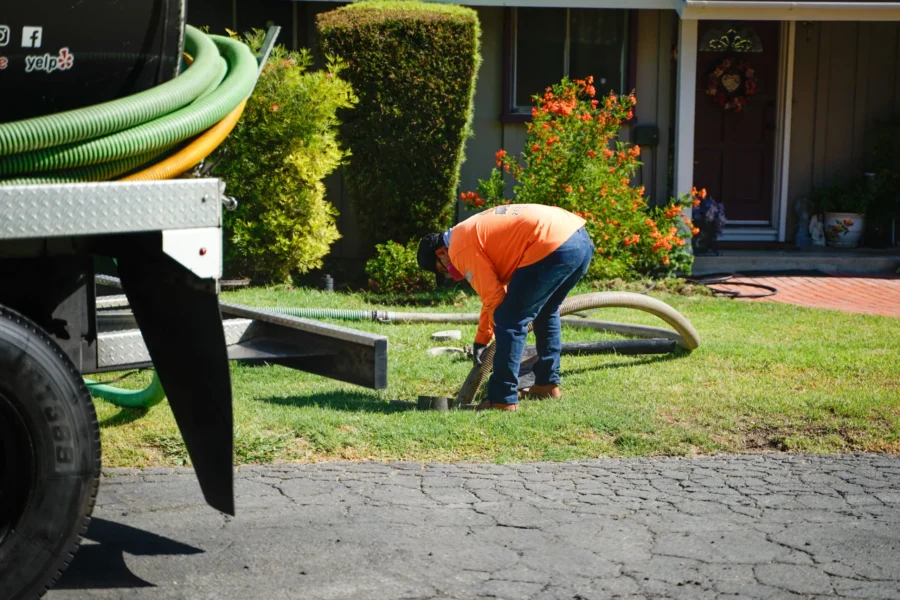
The original post describes a customer calling about an apparent main water line break roughly an hour after an earthquake. Water was accumulating near the failed area, and a PVC main line had come apart. The account says similar failures had occurred previously, making the choice between another localized fix and a longer-term approach important.
The described plan was to trench toward the water main, tunnel under a section of the property and install Type L copper pipe between the meter and the shutoff valve. Type L is a copper tubing designation; whether it is appropriate for a particular installation depends on design, site conditions, applicable codes and the licensed professional’s assessment.
The post does not provide a complete engineering report, exact location, measured ground displacement, pipe age or final outcome. We should not infer that the earthquake alone caused every prior failure, or claim that a particular material guarantees immunity from future seismic damage.
How Do You Know Whether a Pipe Needs Repair or Replacement?
A localized repair may be reasonable when damage is confined to an accessible fitting or short pipe section and the surrounding line is in serviceable condition. The plumber should still examine the cause of the failure and check whether other sections were stressed.
Partial replacement may be more appropriate if one run has recurring leaks, deteriorated fittings or incompatible connections. A longer service-line replacement may make sense when failures repeat or the pipe is in poor condition along a significant length. The least expensive immediate repair is not always the best long-term value, but replacement should be supported by findings rather than fear after an earthquake.
Ask for a written explanation of the damaged location, the recommended materials, excavation needs, testing, restoration responsibilities and any relevant permit requirements. Pricing and scope vary by property.
What Are the Signs of Hidden Plumbing Damage After Shaking?
Visible water spraying or pooling is an obvious warning, but some damage is concealed. Watch for a water meter that continues to register flow when fixtures are off, unexplained damp areas, new staining, a sudden pressure change or recurring moisture near walls and foundations.
Sewer damage may show up as wastewater backup, persistent odors, slow drains or sewage escaping from a damaged section. These signs are not unique to earthquakes and may have other causes, so diagnosis matters. Avoid using plumbing fixtures when sewage lines may be damaged until the system has been assessed.
Gas piping requires a separate safety response. Do not attempt to locate a suspected gas leak by using a flame or dismantling connections. Evacuate and call the utility or emergency responders.
How Does a Plumber Diagnose Earthquake-Related Pipe Problems?
The process begins by confirming the source of the water, isolating affected sections where appropriate and identifying the pipe material and accessible connections. A plumber may examine the meter, service line, shutoff valve, exposed fittings and nearby ground or building movement.
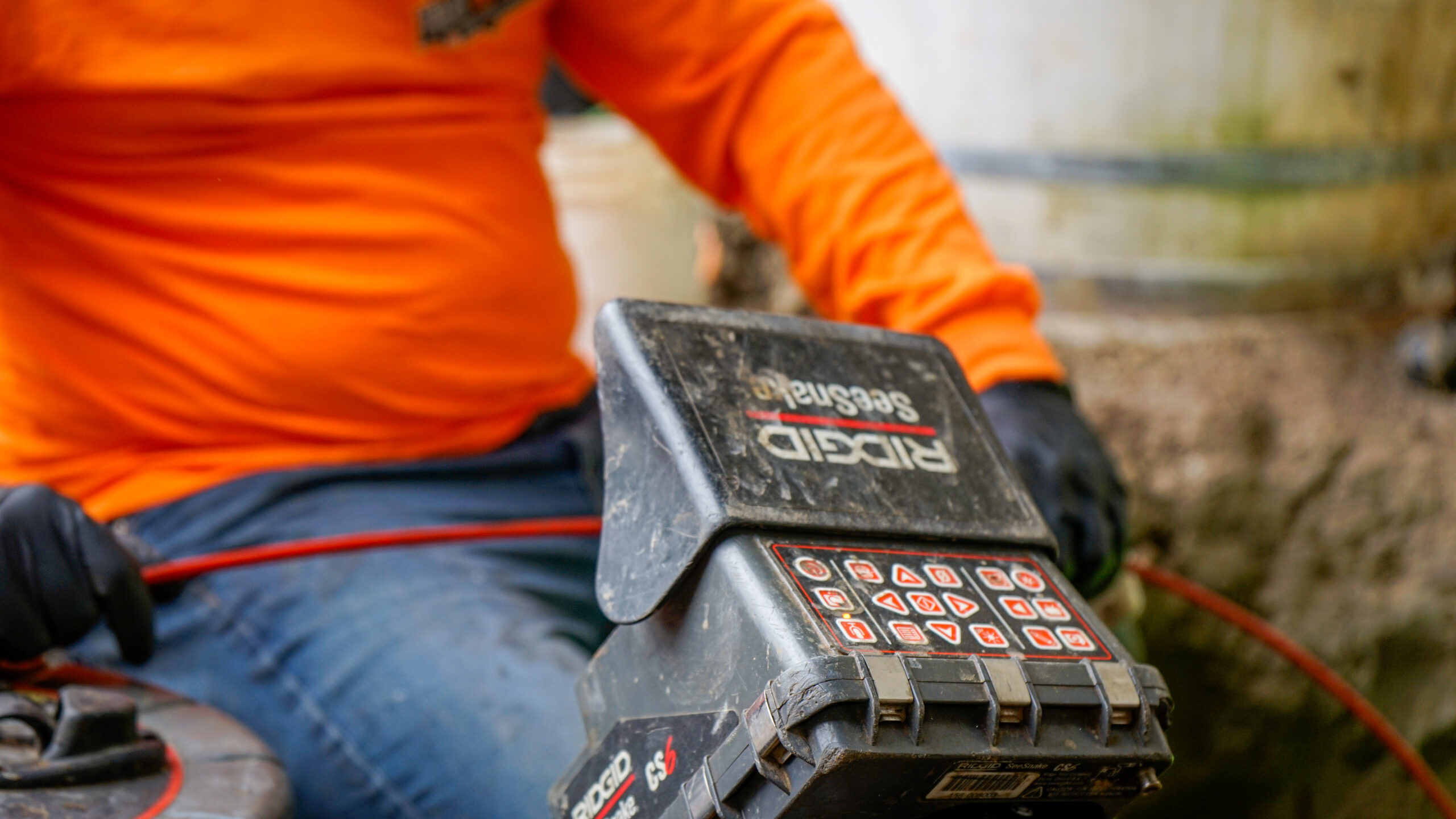
Leak detection methods depend on the system and the site. The assessment may involve pressure testing when appropriate, targeted excavation or inspection of accessible piping. A sewer concern may call for a camera inspection after immediate hazards are addressed. Not every problem requires every diagnostic tool.
Our goal is to help the property owner understand the failure, the practical repair choices and the work needed to restore service. If a gas system is involved, testing and restoration must follow the utility’s safety requirements and applicable trade rules.
What Is the Difference Between Water Line, Sewer Line and Gas Line Damage?
Water supply pipes deliver pressurized potable water. A break can cause rapid leakage, loss of pressure or flooding. A main shutoff may stop the flow if it is safe to operate.
Sewer and drain pipes carry wastewater away. Damage may cause backups or leakage and requires careful sanitation and inspection. A water supply shutoff alone does not establish that the sewer system is safe to use.
Gas lines carry fuel and present a potential fire or explosion hazard when leaking. Gas safety takes priority over ordinary plumbing troubleshooting. If a gas leak is suspected, leave the area and contact the appropriate emergency or utility service.
How Can Homeowners Prepare Their Plumbing for Future Earthquakes?
Know the location of the main water shutoff and make sure household members understand who should operate it and when. Keep the route clear. Learn the gas utility’s shutoff and restoration guidance in advance, and do not shut off gas unnecessarily simply because shaking occurred.
Have a qualified professional evaluate corroded, leaking or poorly supported pipes and water heater connections. Water heaters should be properly secured to reduce the risk of movement that damages connections. Flexible connectors may be appropriate for certain appliances and installations, but their selection and installation should be evaluated by qualified personnel.
California has certification requirements for certain earthquake-sensitive gas shutoff devices. Whether one is required or advisable at a particular property depends on the jurisdiction and installation. Do not assume every device is required statewide or that it replaces proper gas-system maintenance.
Keep photos and records of repairs, especially if the same line has failed repeatedly. A history of leaks can help a plumber evaluate whether a recurring condition warrants more extensive work.
What Should You Ask Before Approving an Earthquake Pipe Repair?
Ask whether the plumber identified a specific failed joint or pipe segment and whether nearby piping was evaluated. Request an explanation of why a patch, partial replacement or longer replacement is recommended.
Clarify the pipe material, routing, excavation, property restoration, permits, testing and warranty terms. If the repair involves tunneling, the proposal should identify what areas will be accessed and who is responsible for restoration.
When the failure is urgent, immediate isolation and stabilization may need to happen before the final long-term decision. A staged approach can be sensible as long as the temporary work and remaining risks are explained.
When Should You Call an Emergency Plumber?
Call promptly when a water line is actively leaking, a main service pipe is damaged, you cannot restore water safely, or sewage is backing up. If you see a major leak, shut off the water first when safe and avoid electrical hazards.
HS Rooter Plumbing lists 24/7 emergency service for communities across Los Angeles, Orange, Riverside and San Bernardino counties. We provide drain and pipe repair services, including burst pipe repair, leak detection and pipe replacement. Service timing and scope depend on the situation and location.
For suspected gas leaks, the first call should be to the gas utility or emergency services after evacuating, not an ordinary appointment request.
Key Takeaways
- Protect people first; shut off a damaged water supply only if the valve is safely accessible.
- Suspected gas leaks require evacuation and utility or emergency response.
- An earthquake may damage pipes or expose an existing weakness; diagnosis determines the repair.
- Compare a localized repair with replacement when failures recur.
- Inspect water, sewer and gas systems separately because the hazards and responses differ.
Conclusion
Earthquake pipe damage is easier to manage when the response separates immediate safety from the longer-term repair decision. A broken water main may require prompt isolation, but the final solution should reflect the pipe’s condition, the failure location and the history of prior leaks. Our customer example shows why repeated failures can justify discussing a more durable plan rather than simply repeating the same repair.
If you have a damaged water line or suspect earthquake-related plumbing problems, contact HS Rooter Plumbing to discuss an inspection and repair options. For an active gas leak or another immediate danger, evacuate and contact emergency responders or your gas utility first.
Frequently Asked Questions About Earthquake Pipe Damage
Can an earthquake cause a pipe to burst?
Yes. Ground movement and shifting structures can stress pipes and connections. Existing deterioration can also contribute, so a plumber should assess the actual failure.
Should I turn off the main water after an earthquake?
Turn off the main water if you identify damaged water pipes and can safely reach the valve. Do not enter an unsafe area to operate it.
Should I shut off the gas after every earthquake?
Not automatically. Follow your utility’s guidance. If a gas leak is suspected, evacuate, contact the utility or emergency services and do not restore gas yourself.
What if my water pipe has broken more than once?
Repeated failures warrant evaluation of the line’s overall condition and connections. Ask whether partial or longer replacement would address the underlying issue.
Is copper pipe always better after an earthquake?
No material guarantees earthquake resistance. Suitability depends on the installation, soil, movement, joints, codes and professional design.
Can an earthquake damage sewer lines without visible leaks?
Yes. Hidden sewer damage may present as backups, odors or drainage changes. A professional can determine whether inspection is needed.
Does homeowners insurance cover earthquake pipe damage?
Coverage depends on policy wording, the cause of damage and any applicable endorsements. Ask your insurer for a policy-specific explanation.