A sewer line problem is stressful enough without being told that you need a major repair before you fully understand what is wrong. When wastewater backs up, drains repeatedly clog, or a plumber recommends replacing an underground pipe, homeowners can feel pressured to make a decision quickly.
Some sewer problems genuinely require extensive repairs. Others may have more than one possible solution. The important thing is knowing what the inspection actually found and why a particular repair is being recommended.
Getting a second opinion on sewer line repairs can help you understand the condition of your pipes, compare repair options, and make a more informed decision before committing to major work.
At High Speed Rooter & Plumbing, we believe a sewer repair recommendation should be based on what we find during our own inspection, not simply on what another contractor has said.
Why Getting a Second Opinion on Sewer Line Repairs Matters
Sewer pipes are buried underground or concealed beneath buildings. Unlike a dripping faucet or a visible water leak, many sewer problems cannot be evaluated by looking at the surface.
A homeowner may notice slow drains, unpleasant odors, or wastewater backing up into a shower. These symptoms tell us something is wrong, but they do not necessarily reveal the exact cause.
For example, recurring backups might result from tree roots entering a pipe, a buildup of debris, a damaged section of sewer line, or a more serious structural failure.
Each situation may call for a different solution.
A second opinion provides an opportunity to review the evidence, confirm the diagnosis, and determine whether the recommended work matches the actual condition of the sewer system.
It does not mean the first plumber was necessarily wrong. Two professionals may agree about the problem but recommend different approaches based on pipe condition, access, equipment, or repair priorities.
The goal is to understand those differences before making an expensive decision.
A Real Sewer Line Inspection From Our Team
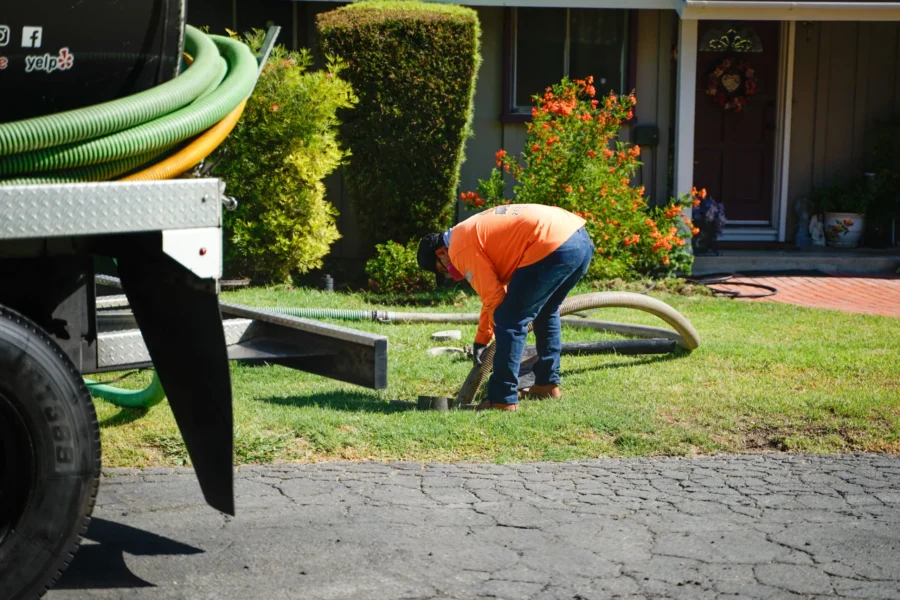
We previously worked with a customer who was experiencing significant sewer line problems and was unhappy with the information and service received from another plumbing provider.
Rather than relying entirely on the previous assessment, we started with our own evaluation.
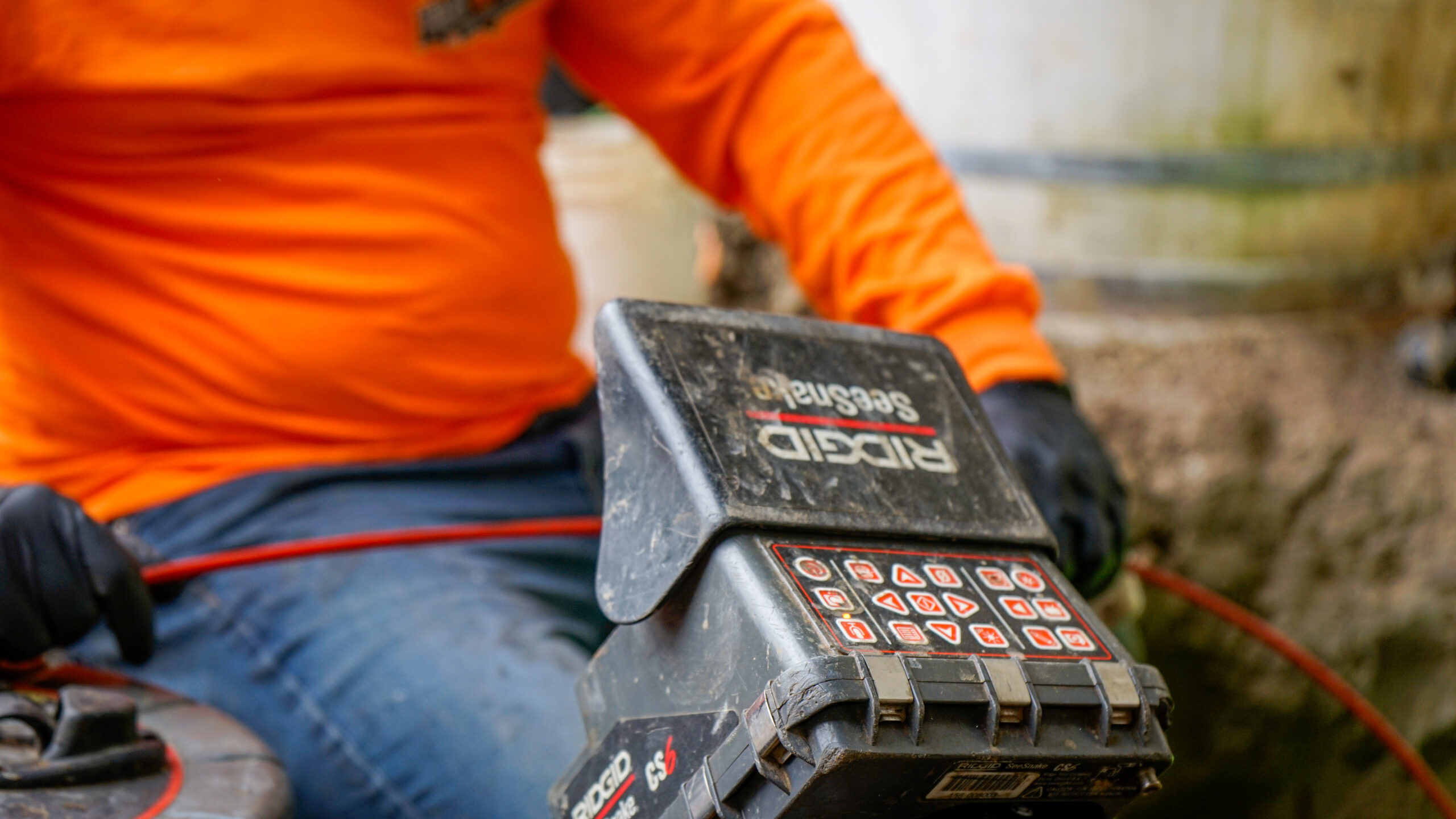
Our team inspected the sewer system and used a sewer camera to examine the line. This helped us review the existing conditions and determine an appropriate direction for the project.
The proposed work involved replacing the sewer lateral using a pipe bursting method between two access points.
This situation illustrates an important part of our approach: we want to understand the plumbing problem ourselves before recommending a repair.
A previous contractor’s findings can provide useful background, but an independent inspection helps us make recommendations based on the conditions we can verify.
Every property is different. The repair selected for this customer should not be treated as the right solution for every damaged sewer line.
What Can a Sewer Camera Inspection Reveal?
A sewer camera inspection allows a plumber to examine accessible sections of the pipe from the inside.
A specialized camera is introduced through a suitable access point and moved through the sewer line. The footage helps identify visible conditions that may explain drainage problems.
Depending on visibility and access, a camera inspection may reveal:
-
Tree roots entering through pipe joints or cracks.
-
Sections of pipe that appear cracked, displaced, or deteriorated.
-
Debris or buildup restricting wastewater flow.
-
Standing water that may indicate a low section or drainage issue.
-
Obstructions that prevent the camera from traveling farther.
-
Conditions that suggest further testing or repair is necessary.
A camera is a valuable diagnostic tool, but it has limitations.
It may not reveal every defect outside the pipe, confirm the exact cause of all soil movement, or determine the remaining lifespan of an entire sewer system. Heavy buildup or standing water can also interfere with visibility.
That is why we consider camera findings alongside the property’s symptoms, pipe material, access conditions, and other inspection results.
Why homeowners should ask to see the footage
If a plumber recommends major sewer replacement based on a camera inspection, ask whether you can review the relevant footage.
You do not need to become a plumbing expert to ask useful questions.
For example, you can ask the plumber to show where the damage begins, explain why it affects drainage, and identify which section requires repair.
When the recommendation involves a substantial investment, having a clear explanation is especially valuable.
When Should You Get a Second Sewer Repair Opinion?
Not every clogged drain requires two plumbing companies to inspect it.
However, an additional assessment can be worthwhile when the proposed work is expensive, invasive, or difficult to reverse.
1. You are told the entire sewer line needs replacement
A recommendation to replace a complete sewer line deserves a clear explanation.
Ask whether the damage affects the full length of the pipe or only a specific section.
In some situations, a localized repair may be feasible. In others, widespread deterioration, repeated failures, or the pipe’s overall condition may make replacement the more practical option.
The inspection should help explain which situation applies.
2. Different plumbers recommend different repairs
One plumber might recommend cleaning the line, while another suggests replacement.
These recommendations are not automatically contradictory. Cleaning may restore temporary flow even when a structural problem remains.
The important question is whether the proposed service addresses the underlying cause or only the immediate symptom.
3. The same sewer problem keeps returning
If your drains repeatedly back up after cleaning, something may be causing the obstruction to return.
Recurring problems can justify a closer inspection rather than repeating the same service without investigating the cause.
4. You cannot get a clear explanation of the damage
A major repair estimate should identify the problem and explain the proposed solution.
If the diagnosis remains unclear after you ask reasonable questions, another professional assessment may help.
5. The estimate includes extensive excavation
Digging through landscaping, driveways, or other improvements can significantly affect a project.
Before approving excavation, ask why that approach is necessary and whether another repair method is suitable for the pipe and property.
Sewer Line Cleaning, Repair, or Replacement: What’s the Difference?
Homeowners sometimes hear these terms used interchangeably, but they describe different types of work.
| Service | Main purpose | When it may be appropriate |
|---|---|---|
| Sewer cleaning | Remove suitable blockages and buildup | Roots, debris, or obstructions that can be cleared safely |
| Spot repair | Correct a damaged section | A localized defect in an otherwise serviceable pipe |
| Trenchless rehabilitation | Restore a suitable existing pipe | Certain damaged pipes that meet method-specific requirements |
| Pipe bursting | Replace an existing pipe along its route | Some sewer replacements where access and site conditions permit |
| Conventional replacement | Excavate and replace pipe | Collapsed lines, difficult alignments, or other conditions requiring open excavation |
The correct choice depends on the actual pipe condition.
For example, cleaning may restore flow through a pipe with root intrusion, but it does not repair the opening that allowed the roots inside.
Similarly, trenchless work may reduce the need for continuous excavation, but not every pipe qualifies.
We believe these differences should be explained before a homeowner approves a major sewer project.
What Is Pipe Bursting and Why Might It Be Recommended?
Pipe bursting is a trenchless pipe replacement method that uses equipment to fracture or displace an existing pipe while pulling a replacement pipe along the route.
It generally requires access at both ends of the section being replaced.
Compared with digging a continuous trench, pipe bursting may reduce surface disruption on suitable projects.
However, it is not automatically the best choice for every property.
The existing pipe’s alignment, surrounding utilities, access conditions, soil conditions, and other site factors must be evaluated.
In the customer project described earlier, pipe bursting was part of our proposed sewer lateral replacement approach.
That does not mean every homeowner with a damaged sewer line needs pipe bursting. Some pipes may be suitable for a localized repair or another method.
What Should You Ask Before Approving Sewer Line Replacement?
A good sewer repair consultation should leave you with a clearer understanding of the problem, even if the work is complicated.
Before signing a contract, consider asking these questions:
-
What specific problem did the inspection identify?
-
Where is the damaged section located?
-
Can I review the camera findings?
-
Is the pipe blocked, structurally damaged, or both?
-
Can a smaller section be repaired?
-
Why is replacement recommended instead of cleaning or rehabilitation?
-
What access or excavation will be required?
-
Does the estimate include permits, restoration, and cleanup where applicable?
-
What warranty terms apply to the proposed work?
-
What could change the price once work begins?
These questions help clarify the scope rather than simply comparing the final price.
A lower estimate is not necessarily better if it excludes necessary work. Likewise, a higher estimate should be supported by a clear explanation of what is included.
How to Compare Two Sewer Repair Estimates
When reviewing two proposals, compare the actual work being offered.
One contractor may quote a localized repair, while another may quote replacement of a much longer section.
Those are different scopes, even if both estimates are described as sewer repair.
Pay attention to the proposed pipe material, repair method, excavation requirements, property restoration, inspection work, permits, and warranty terms.
It is also useful to ask what happens if unexpected conditions are discovered during the project.
For example, a repair may expose damage that was not visible during the initial inspection. A written process for approving additional work can help avoid confusion.
At High Speed Rooter & Plumbing, our goal is to explain the recommended work so homeowners can understand what they are paying for and why.
Can You Wait for a Second Opinion During a Sewer Emergency?
Sometimes, but safety comes first.
If sewage is backing up into your home, wastewater is entering occupied areas, or multiple fixtures are overflowing, stop using the affected plumbing and keep people away from contaminated water.
Arrange prompt professional assistance to address the immediate problem.
You may still be able to seek another opinion before approving extensive permanent repairs, particularly once the immediate hazard has been controlled.
However, delaying necessary emergency work can increase property damage.
A reasonable approach is to distinguish between the work required to stabilize the situation and the longer-term repair recommendation.
For example, restoring drainage and replacing an underground sewer lateral may be two separate decisions.
Understanding that difference can help homeowners respond quickly without feeling forced to approve every proposed repair immediately.
Does a Second Opinion Always Save Money?
Not necessarily.
A second opinion may confirm that the original recommendation was appropriate. It may also identify another repair method or reveal additional conditions that need attention.
Its main value is greater confidence in the decision.
The least expensive repair today may not be the most economical choice if the same problem returns repeatedly.
On the other hand, replacing more pipe than necessary can increase costs without providing a corresponding benefit.
A careful diagnosis helps homeowners consider both the immediate expense and the longer-term condition of the system.
Why Independent Sewer Inspections Matter
When we inspect a sewer line, we want to understand the condition of the system rather than begin with a predetermined repair.
That means listening to the homeowner’s experience, reviewing the symptoms, examining accessible plumbing components, and using appropriate diagnostic tools.
Camera inspections can help us explain what we see and where additional investigation may be necessary.
Our work includes sewer inspections, cleaning, repair, and replacement options for properties across Los Angeles County, Orange County, Riverside County, and San Bernardino County.
We encourage homeowners to ask questions and understand the proposed work before making major decisions.
Key Takeaways
-
A second sewer repair opinion can help confirm the diagnosis before expensive work begins.
-
Camera inspections provide useful evidence but do not reveal every possible pipe condition.
-
Sewer cleaning, localized repair, pipe bursting, and full replacement address different problems.
-
Compare the scope of two estimates, not just their prices.
-
Active sewage backups require prompt attention, even if you plan to seek another opinion on permanent repairs.
Frequently Asked Questions About Second Opinions on Sewer Lines
Is it worth getting a second opinion on sewer line replacement?
Yes, particularly when the proposed replacement is expensive or extensive. Another inspection can help confirm the diagnosis and clarify whether alternatives are appropriate.
Can a sewer camera inspection tell if a pipe needs replacement?
It can reveal visible defects and obstructions that support a repair recommendation. However, the final decision may also depend on pipe condition, accessibility, site conditions, and other findings.
Can sewer cleaning fix a broken pipe?
No. Cleaning can remove suitable blockages, but it does not repair a cracked, collapsed, or separated pipe.
Is trenchless sewer replacement always better than digging?
No. Trenchless methods can reduce excavation in suitable conditions, but they are not appropriate for every pipe or property.
Should I get another quote if the first plumber recommends pipe bursting?
A second assessment can be helpful when you want confirmation that pipe bursting is suitable and that the proposed replacement length is justified.
What if two plumbers disagree about my sewer line?
Ask each plumber to explain the inspection evidence, proposed scope, and reasons for their recommendation. Differences may reflect different findings or repair approaches.
Can I get a second opinion during a sewer backup?
You can seek another assessment, but do not delay necessary safety measures or emergency stabilization. Stop using affected plumbing and arrange prompt assistance.
Conclusion: Make an Informed Decision About Sewer Line Repairs
Sewer problems can be expensive, but homeowners should not have to approve major repairs without understanding the reason for the recommendation.
Getting a second opinion on sewer line repairs gives you another opportunity to review the condition of your pipes, compare available solutions, and ask questions before committing to substantial work.
At High Speed Rooter & Plumbing, we perform our own assessments and recommend next steps based on the conditions we identify.
If another plumber has recommended a major sewer repair or replacement and you would like an independent assessment, call us at 213-949-4202 to discuss your concerns and schedule an inspection.